
One Degree
Working towards food security on the African continent
Why it matters
Hunger
- An estimated 821 million people were undernourished in 2017.
- The majority of the world’s hungry people live in developing countries, where 12.9% of the population is undernourished.
- In sub-Saharan Africa, the number of undernourished people increased from 195 million in 2014 to 237 million in 2017.
- Poor nutrition causes nearly half (45%) of deaths in children under five – 3.1 million children each year.
- 149 million children under 5 years of age—22% of the global under-5 population—were still chronically undernourished in 2018.
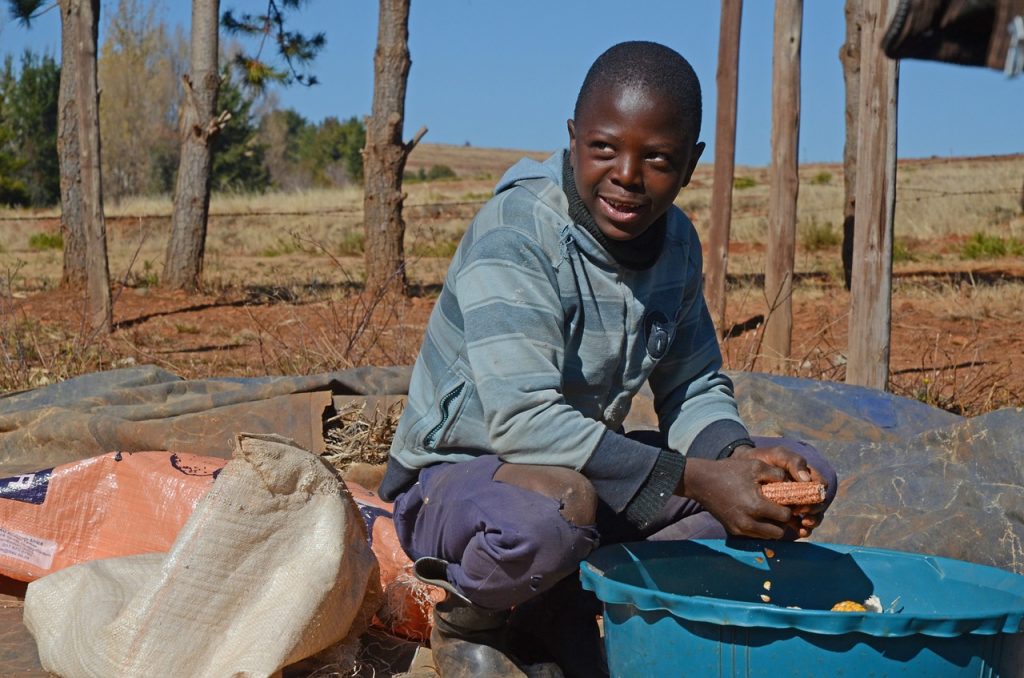
Hunger
- An estimated 821 million people were undernourished in 2017.
- The majority of the world’s hungry people live in developing countries, where 12.9% of the population is undernourished.
- In sub-Saharan Africa, the number of undernourished people increased from 195 million in 2014 to 237 million in 2017.
- Poor nutrition causes nearly half (45%) of deaths in children under five – 3.1 million children each year.
- 149 million children under 5 years of age—22% of the global under-5 population—were still chronically undernourished in 2018.
Food Security
Agriculture is the single largest employer in the world - providing livelihoods for 40 % of today’s global population.
840 million people have no access to electricity worldwide – most of whom live in rural areas of the developing world. Energy poverty in many regions is a fundamental barrier to reducing hunger and ensuring that the world can produce enough food to meet future demand.
500 million small farms worldwide, provide up to 80 % of food consumed in a large part of the developing world
If women farmers had the same access, the number of hungry in the world could be reduced by up to 150 million.
Some 75 % of crop diversity has been lost from farmers’ fields.
Next 10 years are critical
It is time to rethink how we grow, share and consume our food. If done right, agriculture, forestry and fisheries can provide nutritious food for all and generate decent incomes while supporting people-centred rural development and protecting the environment.
Right now, our soils, freshwater, oceans, forests and biodiversity are being rapidly degraded. Climate change is putting even more pressure on the resources we depend on, increasing risks associated with disasters, such as droughts and floods. Many rural women and men can no longer make ends meet on their land, forcing them to migrate to cities in search of opportunities. Poor food security is also causing millions of children to be stunted, or too short for the ages, due to severe malnutrition.
It is time to rethink how we grow, share and consume our food. If done right, agriculture, forestry and fisheries can provide nutritious food for all and generate decent incomes, while supporting people-centered rural development and protecting the environment.
Right now, our soils, freshwater, oceans, forests and biodiversity are being rapidly degraded. Climate change is putting even more pressure on the resources we depend on, increasing risks associated with disasters, such as droughts and floods. Many rural women and men can no longer make ends meet on their land, forcing them to migrate to cities in search of opportunities. Poor food security is also causing millions of children to be stunted, or too short for the ages, due to severe malnutrition.
A profound change of the global food and agriculture system is needed if we are to nourish the 821 million people who are hungry today and the additional 2 billion people expected to be undernourished by 2050. Investments in agriculture are crucial to increasing the capacity for agricultural productivity and sustainable food production systems are necessary to help alleviate the perils of hunger.
SOURCE: United Nations – Sustainable Development Goals – Goal 2: Zero Hunger
© 2020 One Degree